


Couples Counseling for Complex Trauma: Can We Really Heal Together?
Stop the cycle of survival loops. Our expert guide on couples counseling for complex trauma explains the biology of healing and how to rebuild safe attunement.
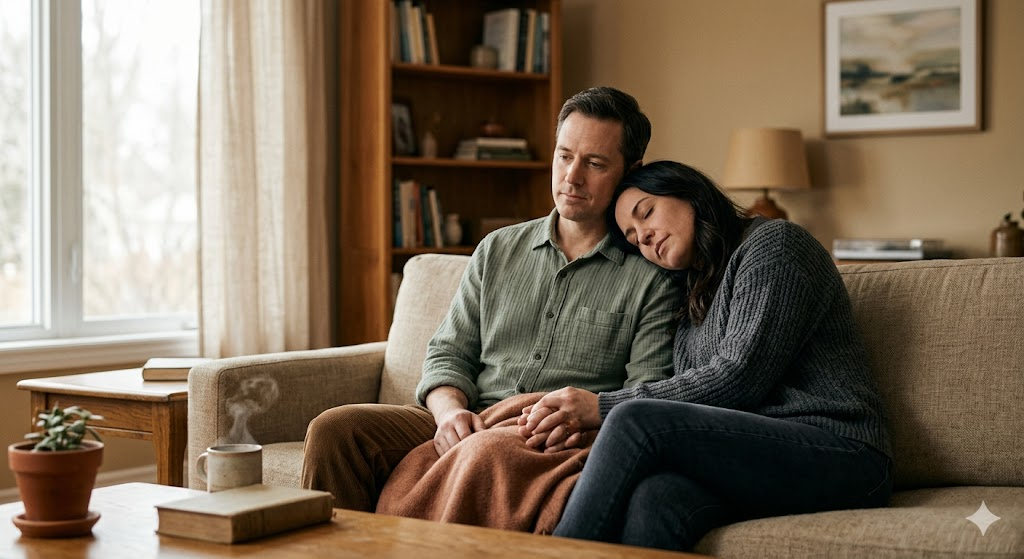
The Intersection of Trauma and Intimacy: A Clinical Guide to Sex Therapy
Overcome intimacy barriers after trauma. Learn how trauma-informed sex therapy safely rewires somatic memory using proven EMDR, DBT, and somatic skills.

Somatic Therapy and EMDR: Why Your Body Holds the Key to Abuse Recovery
For many survivors of abuse, traditional "talk therapy" eventually hits a plateau. You may have spent years articulating what happened to you, deconstructing the abuser's tactics, and understanding your triggers intellectually.

How Abusive Relationships Start & Why We Stay
People stay in abusive relationships not due to weakness, but due to a powerful biological phenomenon called a Trauma Bond. This occurs when the brain becomes "addicted" to the dopamine rush of reconciliation following the cortisol spike of abuse, creating a cycle that is as physically difficult to break as a chemical dependency.